
Great Place to Work Certified

Thinking About Leaving Your Commercial Premises?

We help office, warehouse and industrial tenants understand what work may be required, what it’s likely to cost and how to approach the conversation before the process becomes stressful or expensive.

  • Avoid overpaying
  • Know costs early
  • Negotiate stronger
Talk to us
hero image
Our CHAS membership ensures we meet top health and safety standards, streamline compliance, and build trust through transparent, risk-managed practices.
As FIS members, we access specialist support, events, and expertise that help us improve our practices and deliver trusted, industry-approved solutions.
As a SafeContractor-approved company, we’re recognised for meeting high standards in health, safety, sustainability, and ethical practices—giving you peace of mind on every project.
As a Cyber Essentials Certified company, we follow strict cybersecurity practices to protect your data and ensure secure, reliable service across every project.
Our JOSCAR membership confirms our compliance and quality across key sectors, streamlining procurement and ensuring we meet rigorous industry standards.
We’re proud FSB members, giving us access to expert advice and resources that help us stay ahead and deliver exceptional service.

Should you Leave or Renew?

Many businesses begin planning regulations without fully understanding the cost of reinstatement or dilapidations. We help you understand the likely position before major decision are made.

No surveyor jargon. 30+ years serving the South West and West Midlands. Free advice. No obligation. One Team.

Talk through your options
Tom-CIS
  1. Initial conversation:

    We discuss your premises, lease timing and any concerns you have.
  2. Site review:

    We carry out a walkthrough and identify likely lease-end obligations.
  3. Indicative costs:

    We provide an outline of likely works and potential costs.
  4. Clear advice:

    We explain your options and recommend practical next steps.
  5. Manage the works:

    If works are required, we can manage everything from start to finish.

From fit-out to fully reinstated

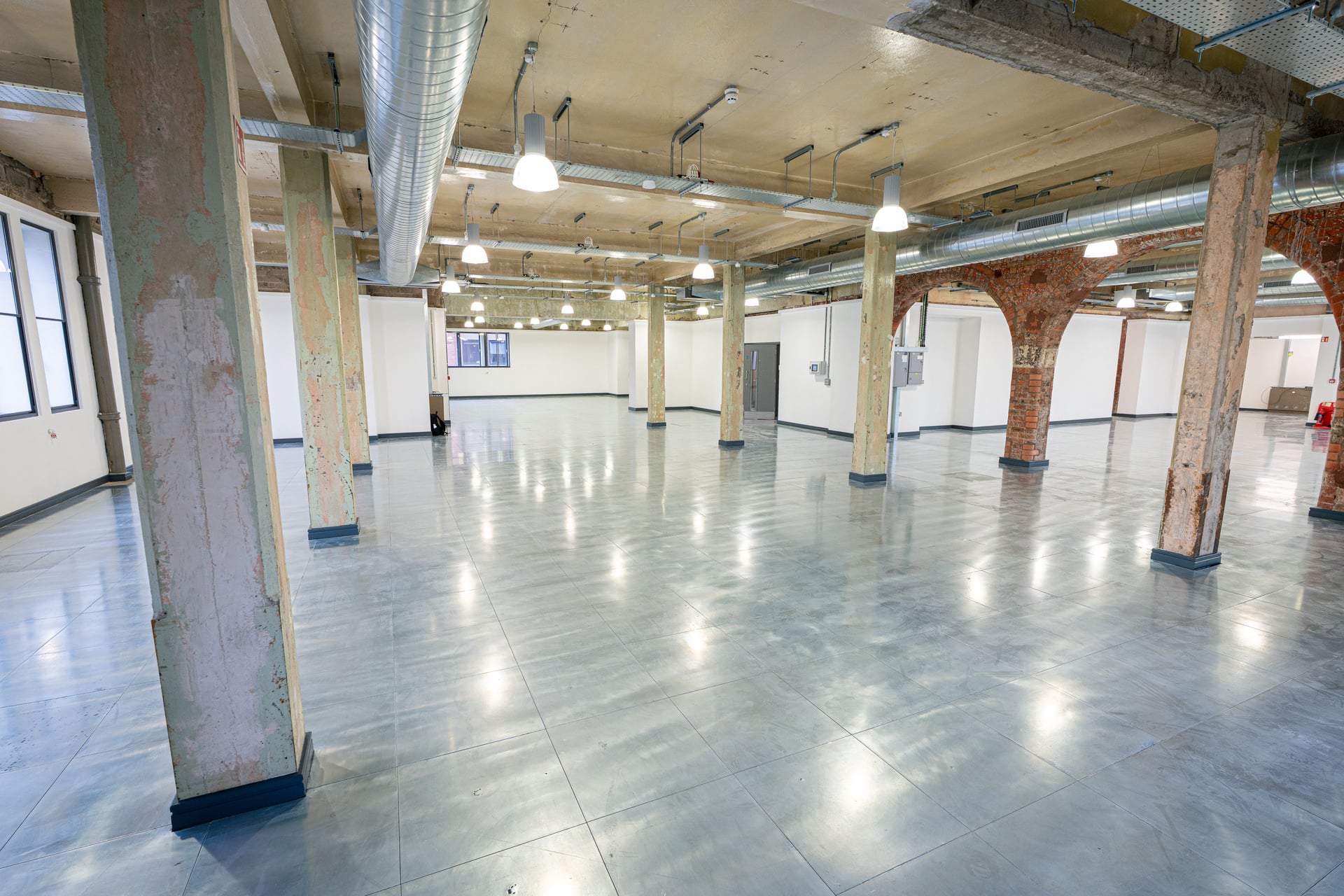
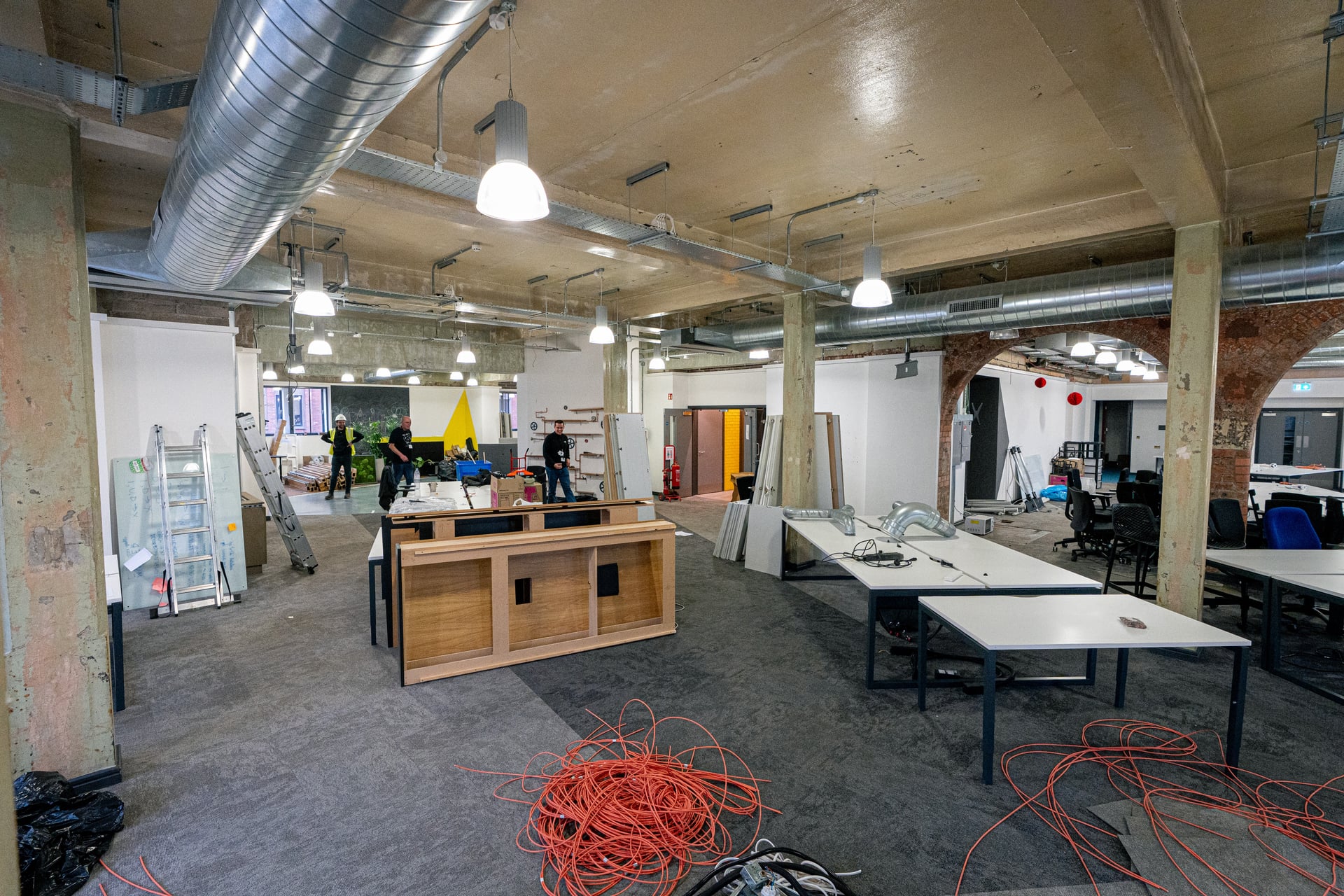
Returning a high spec office to lease conditions in just five weeks

before image
Before
after image
After
play-button

Why Tenants Speak to Us Early

  • Clear, straightforward advice
  • Friendly and practical support No jargon
  • Early guidance, before major decisions are locked in
  • Help understanding likely costs
  • Support with landlord and surveyor discussions
  • Experienced commercial interiors team
  • One contractor, from first advice through to completion
Get a Price

The Problem Most Tenants Face

One of the biggest worries for tenants nearing the end of a lease isn’t the move itself, it’s not knowing what the landlord may ask for, or how much it could cost to put the building back the way it was.

That uncertainty is what makes businesses delay decisions about moving, expanding or relocating.

At Contract Interior Systems, we help take the guesswork away. We work with office, warehouse and industrial tenants to give clear, practical advice before formal notice is served, so you understand:

  • What work may actually be required
  • What your likely costs could look like
  • What options may be available to you
  • How to approach the conversation with your landlord

Our aim is simple: help you make informed decisions early, without pressure or confusion.

Every Lease Is Different

Some landlords expect a space to be handed back exactly as it was on day one. Others take a more practical view, depending on their plans for the building. Either way, it helps to know where you stand before the conversation happens, not during it.

We regularly help tenants who have:

  • Added offices or meeting rooms
  • Changed internal layouts
  • Installed lighting or electrical work
  • Altered warehouse or industrial space
  • Carried out previous fit-out or refurbishment work

We’ll help you understand what may need to stay, what may need removing, and where there’s realistically room for discussion with your landlord.

What a Dilapidations Survey Involves

If you want a clearer picture before committing to anything, a dilapidations survey is usually the sensible first step. It’s a straightforward, no-pressure assessment of the property’s current condition against your lease obligations carried out by our team, in plain English, with no technical jargon.

From that survey, we can talk you through:

  • The likely scope of any work
  • A realistic cost range, not a worst-case guess
  • What’s genuinely required versus what’s negotiable
  • How to present this to your landlord or their surveyor

This is advice first, quote second. There’s no obligation to instruct any further work.

Support Before Difficult Conversations Happen

Most tenants just want someone experienced to talk things through with before they approach their landlord. That’s exactly where we come in.

We regularly support businesses by:

  • Reviewing the current condition of the premises
  • Identifying potential areas of concern early
  • Explaining the likely next steps in plain English
  • Providing realistic budget guidance
  • Supporting conversations with landlords or their surveyors
  • Helping avoid unnecessary work or cost where possible

Practical, honest, and commercially minded, that’s the whole approach.

Schedule of Dilapidations: If Work Is Needed, We Handle It

If a schedule of dilapidations has already been issued, or reinstatement work turns out to be genuinely necessary, our team can manage the entire process from start to finish. That includes:

  • Removing old fit-outs
  • Returning offices to their original layout
  • Repairs and redecoration
  • Ceiling, flooring and partitioning works
  • Lighting and electrical alterations
  • Warehouse and industrial reinstatement
  • Preparing the property for handover

One experienced team managing everything rather than juggling multiple contractors. It keeps the process simpler, faster and considerably less stressful.

Moving Into a New Premises?

Many of the tenants we support are also planning their next move. Alongside helping you leave your current building smoothly, we can help fit out or refurbish your new premises too. One trusted team, start to finish, across both ends of the move.

See our fit-out & refurbishment services →

Got questions about dilapidations?

Here’s what most tenants want to know before their lease ends.

  • What happens at the end of a commercial lease?
    At the end of a commercial lease, the tenant is usually required to return the property in the condition set out in the lease, often close to its original state. The landlord may issue a schedule of dilapidations listing the work they believe is needed, typically within 56 days of the lease ending. Getting advice before this schedule is issued, rather than after, generally gives tenants more control over both cost and scope.
  • How much do dilapidations usually cost?
    Dilapidations costs vary widely and depend on the size of the property, the extent of alterations made, and how much of the landlord’s schedule is genuinely required versus negotiable. A dilapidations survey is the most reliable way to get a realistic cost range for a specific property, rather than relying on national averages that may not apply.
  • Do I need to remove my office fit-out before leaving?
    Not always, it depends on the lease. Some leases require full reinstatement to the original layout, while others allow certain alterations to remain, particularly where they add value for the next tenant. This is often negotiable, which is why early advice before formal notice is served tends to lead to a better outcome.
  • Can a landlord force reinstatement works?
    Yes, where reinstatement is specified in the lease, a landlord can generally require it. In practice there’s often more room for negotiation than tenants expect, especially where works aren’t genuinely necessary for the landlord’s future plans for the building.
  • What is a schedule of dilapidations?
    A schedule of dilapidations is a formal document, usually prepared by the landlord’s surveyor, listing the repair and reinstatement work a tenant is required to carry out before the end of a lease. It typically includes a description of each item of disrepair and an estimated cost.
  • How far in advance should I speak to someone about dilapidations?
    Ideally before a schedule of dilapidations has been issued, several months before the lease ends. This gives time to understand likely obligations, budget realistically, and negotiate with the landlord from an informed position rather than reacting to a formal demand.

Get a Price

Let us know how we can help and a member of our team will be in-touch to discuss your project and arrange a site visit.

  • Same day response
  • Large & small jobs
  • 30 Years experience
  • Family run, local team
Sam Trigg Elysia Henry Tom Parker Max Hough Jason Martin

Prefer to speak to a person? Call us on:

01242 863100